
Roof Leak vs. Condensation: How to Tell the Difference
Have you noticed water stains on your ceiling or moisture in your attic and wondered whether you're dealing with a roof leak or condensation? While both problems can cause water damage, they have very different causes—and require different solutions. A roof leak is caused by water entering your home through damaged roofing materials, while condensation occurs when warm, humid air comes into contact with cooler surfaces inside your attic or roof system. Because the signs can look similar, it's important to determine the true source before making repairs. At Judson Roofing, we help homeowners throughout North Georgia identify whether moisture is coming from a leaking roof or an attic ventilation issue, ensuring the problem is fixed the first time correctly.
Roof Leak vs. Condensation: What's the Difference?
Although both problems involve moisture, they originate from different sources.
Roof Leak
- Water enters from outside the home.
- Usually occurs during or after rainstorms.
- Often caused by damaged shingles or flashing.
- Water typically enters at one location and travels.
- Requires roof repair.
Condensation
- Moisture forms inside the home.
- Can occur even when it hasn't rained.
- Usually caused by excess humidity and poor ventilation.
- Moisture often appears across large areas.
- Usually requires improved ventilation or insulation.
Understanding these differences can save homeowners from unnecessary repairs while preventing long-term damage.
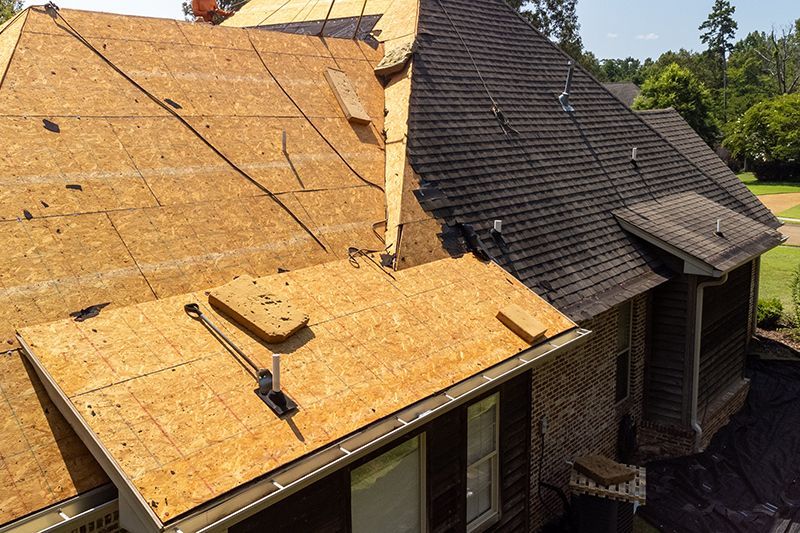
What Causes a Roof Leak?
A roof leak occurs when rainwater penetrates your roofing system.
Common causes include:
- Missing or damaged shingles
- Cracked flashing
- Worn pipe boots
- Storm damage
- Hail damage
- Wind damage
- Roof valleys
- Skylight failures
- Chimney flashing problems
- Aging roofing materials
- Improper roof installation
Roof leaks often become noticeable during heavy rain, although water may travel several feet before becoming visible inside your home.
What Causes Condensation?
Condensation happens when warm, moist indoor air rises into the attic and meets cooler roof surfaces.
This commonly occurs because of:
- Poor attic ventilation
- Inadequate insulation
- High indoor humidity
- Bathroom exhaust fans venting into the attic
- Dryer vents exhausting into the attic
- Air leaks from living spaces
- Seasonal temperature changes
Unlike roof leaks, condensation may occur even during long periods of dry weather.
Signs You Have a Roof Leak
Roof leaks often produce very specific symptoms.
Look for:
- Water stains after rainstorms
- Active dripping during storms
- Missing shingles
- Damaged flashing
- Ceiling discoloration
- Wet insulation near one location
- Mold around roof penetrations
- Soft or rotting roof decking
If moisture consistently appears after rainfall, a roof leak is the likely cause.
Signs You Have Condensation
Condensation usually affects larger portions of the attic.
Common signs include:
- Moisture on the underside of the roof decking
- Water droplets on nails
- Frost inside the attic during winter
- Damp insulation across wide areas
- Mold on roof framing
- Rusted nail heads
- Musty attic odors
- High humidity inside the home
These symptoms typically develop gradually rather than suddenly after storms.
Does Condensation Cause Roof Damage?
Yes.
Although condensation doesn't originate from outside water, it can still cause significant damage over time.
Excess moisture may lead to:
- Mold growth
- Wood rot
- Damaged insulation
- Reduced energy efficiency
- Structural deterioration
- Mildew odors
- Premature roof aging
Ignoring attic condensation can shorten the lifespan of your roofing system.
How Can You Tell the Difference?
Several clues can help identify the source of the moisture.
The Moisture Appears Only When It Rains
This usually indicates a roof leak.
The Moisture Appears Even During Dry Weather
This is often a sign of condensation caused by excess humidity.
Water Is Dripping From One Specific Spot
A localized leak is more likely.
Moisture Covers Large Areas of the Attic
This usually points to condensation rather than a roof leak.
Water Stains Continue Growing After Storms
Roof leaks often worsen over time as damaged roofing materials continue allowing water inside.
Can You Have Both Problems?
Yes.
Some homes experience both roof leaks and attic condensation simultaneously.
For example:
- An aging roof develops storm-related leaks.
- Poor attic ventilation allows humidity to build.
- Moisture from both sources creates similar symptoms.
A professional roof inspection can determine whether one or both issues are present.
How Professionals Diagnose the Problem
At Judson Roofing, our roof inspections include evaluating both the roofing system and attic conditions.
We inspect:
- Roofing materials
- Flashing
- Chimneys
- Roof valleys
- Pipe boots
- Attic ventilation
- Soffit vents
- Ridge vents
- Insulation
- Signs of water intrusion
- Moisture patterns
This comprehensive approach helps identify the true source of the problem rather than simply treating the visible symptoms.
How to Prevent Roof Leaks
Preventative roof maintenance includes:
- Annual roof inspections
- Prompt shingle replacement
- Flashing repairs
- Gutter cleaning
- Storm damage inspections
- Regular roof maintenance
Routine inspections can identify minor problems before they become expensive repairs.
How to Prevent Attic Condensation
Reducing condensation often involves improving airflow and controlling indoor humidity.
Helpful steps include:
- Improve attic ventilation
- Install or repair ridge vents
- Ensure soffit vents remain unobstructed
- Seal attic air leaks
- Vent bathroom fans outdoors
- Vent dryers outdoors
- Maintain proper attic insulation
- Control indoor humidity levels
A balanced attic ventilation system helps protect both your roof and your home's energy efficiency.
Frequently Asked Questions
Can condensation look like a roof leak?
Yes. Condensation often creates water stains, damp insulation, and moisture that closely resemble a roof leak. A professional inspection is usually needed to determine the true cause.
Does every ceiling stain mean the roof is leaking?
No. Plumbing leaks, HVAC issues, and attic condensation can also cause ceiling stains. It's important to identify the source before beginning repairs.
Will replacing my roof fix condensation?
Not necessarily. If condensation is caused by poor attic ventilation or excess humidity, replacing the roof alone may not solve the problem.
Should I worry about attic condensation?
Yes. Excess moisture can lead to mold, wood rot, damaged insulation, and premature roof deterioration if left untreated.
Trust Judson Roofing to Identify the Real Problem
Whether your home has a roof leak, attic condensation, or both, identifying the true source is the first step toward protecting your investment.
At Judson Roofing, we perform thorough roof inspections that evaluate not only your shingles and flashing but also your attic ventilation and moisture conditions. We'll explain exactly what's causing the problem and recommend the most effective solution—without unnecessary repairs.
Schedule a Professional Roof Inspection Today
If you've noticed water stains, damp insulation, attic moisture, or ceiling leaks, don't guess whether it's a roof leak or condensation.
Contact Judson Roofing today to schedule a professional roof inspection. We'll identify the source of the moisture, recommend the right repair, and help keep your home dry, safe, and protected year-round.