
Georgia Roof Lifespan:
How Georgia Climate Affects Your Roof
If you own a home in Georgia, your roof deals with much more than age and normal wear and tear. Heat, a humid climate, strong sun, heavy rain, high winds, thunderstorms, and seasonal storm damage all play a role in how long your roof’s lifespan really is. That means a roof’s life in Georgia may be shorter than the same roof in a milder area, because local weather conditions often create extra stress on the system.
Homeowners researching
lifespan in Georgia should understand that manufacturer estimates like “20 to 30 years” for
asphalt shingle roofs or “up to
50 years” for
metal roofs are only starting points. Installation quality,
regular inspections,
regular maintenance, and the way
climate affects a roof all help determine whether a roof actually reaches its expected life or needs
roof replacement sooner.
Why Roofs Age Faster in Georgia
Georgia weather can be tough on roofing materials and directly affects roof lifespan. Long periods of sun exposure can dry out shingles and accelerate granule loss, while humidity can contribute to algae growth, trapped moisture, and slower drying after rain. Over time, this combination of heat and moisture speeds up aging and shortens overall roof life.
Common Georgia roofing stressors include:
- Intense UV exposure and summer heat
- High humidity and persistent moisture
- Thunderstorms and high winds
- Hail in some areas
- Falling limbs and tree debris
These conditions impact both
asphalt shingle roofs and
metal roofs. Even durable materials can age faster when they face frequent storms and a consistently humid climate.
How Heat and UV Exposure Affect Roof Lifespan
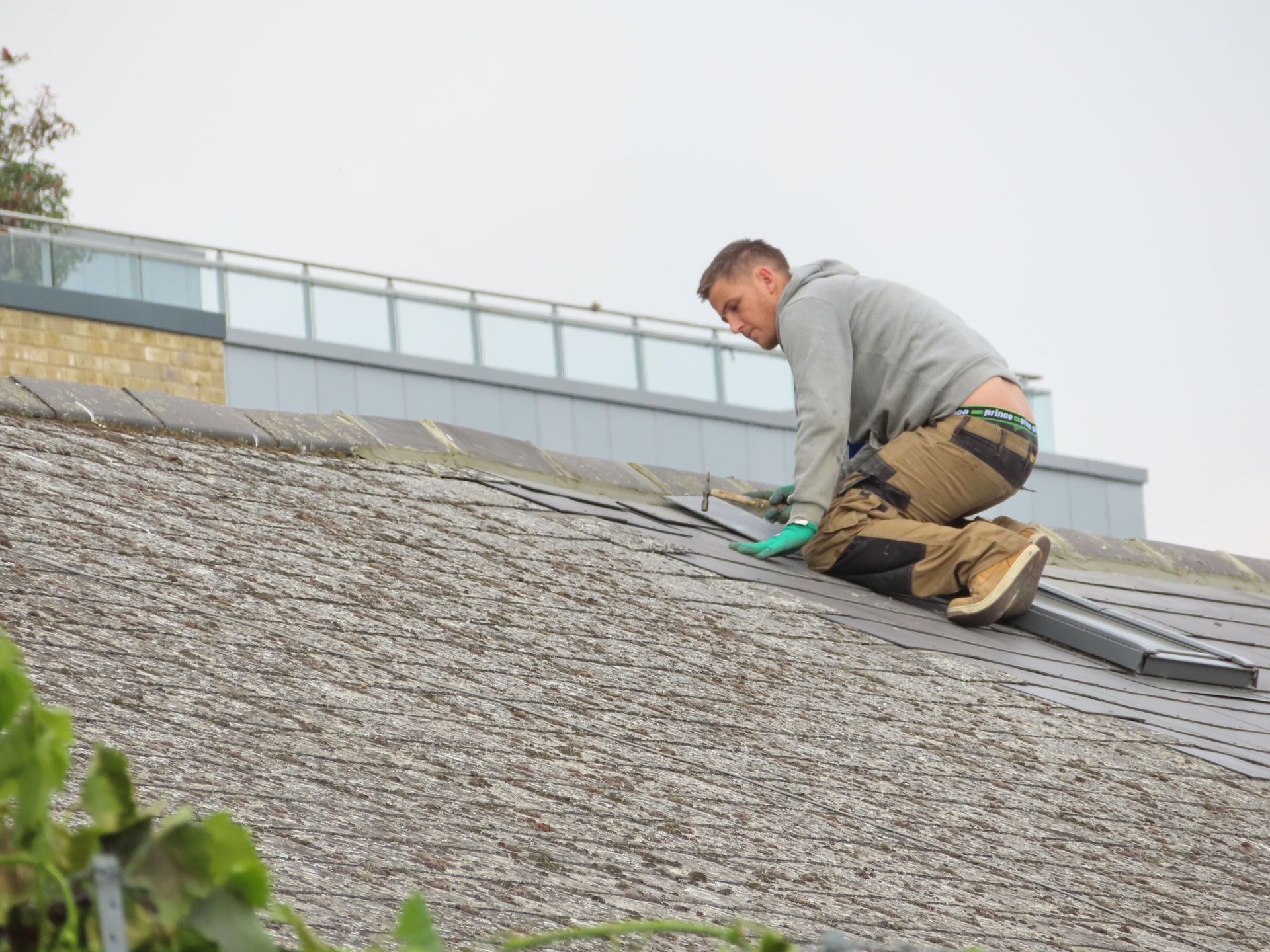
Roofing materials absorb sunlight and heat day after day. Over time, that heat exposure can cause shingles to dry out, become brittle, and lose protective granules. In attic spaces with poor ventilation, heat buildup and trapped heat and moisture can make the problem even worse, leading to faster wear and tear.
That is why attic ventilation and insulation matter so much for roofs in Georgia. A cooler, better‑ventilated attic helps protect the roofing system from premature aging, improves energy performance, and supports a healthier roof’s lifespan whether the home has asphalt shingle roofs or metal roofs.
Storms, Moisture, and Damage in Georgia
Storm damage is one of the most common reasons roofs in Georgia fail earlier than expected. High winds can lift or remove shingles, hail can bruise and damage shingles, and heavy rain can exploit weak points around flashing, roof penetrations, and seams on metal roofs.
Even if a storm does not cause an immediate leak, hidden damage may shorten the roof’s remaining life. Granules knocked off shingles, dented metal panels, or loosened flashing can all reduce protection over time. That is why regular inspections after major storms are so important—they help find issues early, before they turn into larger structural problems or force a premature roof replacement.
Which Roof Types Perform Best in Georgia?
Many Georgia homes use asphalt shingle roofs because they are affordable and widely available, with a typical life of around 20 to 30 years under normal conditions. Metal roofs are also popular because they are highly durable and can last up to 50 years or more when installation quality, ventilation, and maintenance are all handled correctly.
The best roofing material for a specific home depends on:
- Budget and long‑term plans
- Home design and curb appeal goals
- Exposure to trees, storms, and debris
- Energy‑efficiency priorities (for example, reflective metal roofs can be more energy efficient)
- Willingness to invest in regular inspections and regular maintenance
A well‑installed roof of almost any material will perform better—and last longer—than a poorly installed premium roof. Installation quality, ventilation, and ongoing care often matter as much as the material itself.
How to Protect Your Roof in Georgia
To help extend roof life and reduce the chance that Georgia’s weather conditions force early roof replacement, homeowners should focus on regular maintenance and proactive care. Helpful steps include:
- Schedule regular inspections (at least annually and after major storms)
- Check the roof and attic for signs of leaks or moisture
- Keep gutters clear to prevent water from backing up and damaging shingles
- Trim nearby trees to reduce limb and debris impact
- Address leaks or storm damage quickly instead of waiting
- Make sure attic ventilation is adequate to manage heat and moisture
These simple habits can significantly reduce wear and tear, improve performance for both asphalt shingle roofs and metal roofs, and support a longer, healthier roof’s lifespan in Georgia’s humid climate.
About Judson Roofing
Judson Roofing is built on more than roofing experience—it is built on family legacy, service, and a commitment to doing honest work the right way. Our story began in 1937, when our grandfather started roofing and established the values of integrity, craftsmanship, and hard work that continue to guide our company today.
That foundation was carried forward by our father after serving in numerous combat tours in the U.S. Army, bringing the same discipline, dedication, and pride in workmanship back to the family trade. Today, Judson Roofing continues that tradition by helping homeowners across Georgia protect their homes with reliable roof replacement, roof repair, regular inspections, storm damage service, gutters, ventilation, coatings, and emergency roofing support.
For more than 85 years, the Judson name has stood for trust, quality, and roofs built to last in Georgia’s demanding
weather conditions. We
believe every homeowner deserves clear communication, dependable recommendations, and workmanship that protects what matters most—no matter whether the home has asphalt shingles or metal roofs.
Continue Researching Roof Lifespan
For a broader understanding of how your roof ages and what affects
roof lifespan, explore more of our roof life resources, including detailed guides on
roof age,
storm damage,
ventilation, maintenance, and material‑specific pages for
asphalt roof lifespan and
metal roof lifespan. These articles can help you decide when repair is enough, when roof replacement makes sense, and how regular maintenance can keep your roof performing as long as possible in Georgia’s unique climate.