
Storm Damage and Roof Lifespan Around Atlanta
How Severe Weather Shortens Roof Life
Storm damage is one of the fastest ways to shorten roof lifespan around Atlanta. Even if a roof looks mostly intact from the ground, high winds, hail, heavy rain, and falling debris can weaken roofing materials and reduce the long‑term protection they provide. What happens during just a few minutes of severe weather can affect your roof for years.
Homeowners often underestimate how much a storm affects your roof because leaks do not always appear right away. Hidden problems can allow water damage, loosen flashing, and create damaged shingles that keep degrading over time. Without proper roof inspections after storms, those issues can quietly accelerate wear long after the clouds have passed.
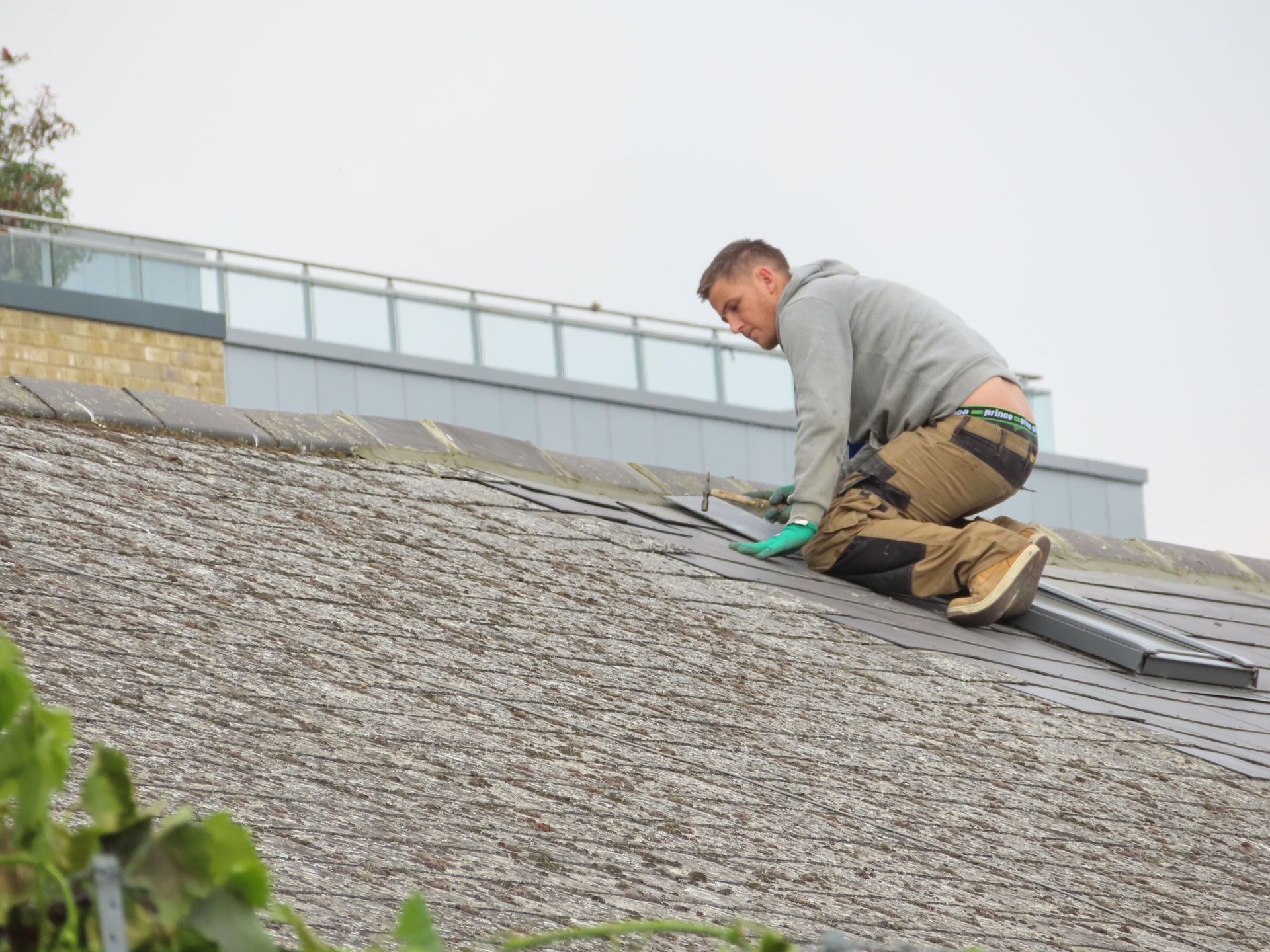
Types of Storm Damage That Affect Roof Lifespan
Different weather events damage roofs in different ways, and each type of damage can shorten roof life if not addressed quickly.
Common examples include:
- Wind damage: lifted, creased, or missing shingles, especially on asphalt shingles
- Hail damage: bruised shingles, punctures, dents, and granule loss that weaken the surface
- Rain intrusion: moisture entering through weak points, causing interior water damage
- Debris impact: branches and limbs striking the roof and damaging shingles or the roof surface
- Flashing failure: water getting in around chimneys, vents, skylights, and other penetrations
In many cases, a roof may appear fine from the street, but close professional inspection reveals problems that will shorten its lifespan if ignored.
Why Hidden Storm Damage Is a Problem
Not all roof damage is obvious. A roof that looks okay from the yard can still have bruised shingles, loosened seals, compromised flashing, or punctured underlayment. These hidden issues often arise after storms with high winds or heavy rain and can lead to leaks months later.
That is why homeowners should schedule regular inspections or at least a dedicated storm inspection after severe weather, especially if:
- Hail was reported nearby
- High winds occurred
- Trees dropped branches on the house
- Neighbors are getting roof repairs or replacements
- You notice visible damage, like missing shingles or clogged gutters spilling water
Early detection gives you a chance to repair problems before they result in major water damage or structural issues.
Does Storm Damage Always Mean Roof Replacement?
Not always. Some storm damage can be repaired successfully if it is limited in scope and caught early. Local roofing contractors can often replace damaged shingles, fix flashing, and clear clogged gutters to restore performance.
However, replacement may be the better long term solution when:
- Damage is widespread across large sections of the roof
- The roof is already older and near the end of its expected lifespan
- Water damage has affected the roof deck or interior surfaces
- Multiple storms have caused recurring problems
The right decision depends on the age of the roof, the
roofing materials, the extent of the damage, and whether issues are isolated or widespread. A
roofing professional can help you decide whether targeted roof repair is sufficient or whether full replacement is the safer investment.
Storm Damage and Insurance Claims
Storm damage often leads homeowners to ask whether an insurance company will pay for repairs or replacement. Whether an insurance claim is approved depends on the policy details, the type of damage, the age and condition of the roof before the storm, and the documentation you provide.
That is why documentation matters so much. Prompt roof inspections, photos of visible damage, and written reports from a roofing professional all help strengthen the claims process and show that the roof was damaged by a specific event rather than normal aging.
A typical storm‑related insurance claim may involve:
- Inspecting the roof for damaged shingles, granule loss, and impact marks
- Checking for associated interior water stains or water damage
- Providing detailed notes and photos for the insurance company
- Coordinating roof repair or replacement once the claim is approved
What to Do After a Storm
If you suspect your roof is damaged by a storm, take these steps:
- Look for visible damage from the ground, such as missing shingles, dented metal, or debris on the roof.
- Check ceilings and attic spaces for leaks, water stains, or signs of moisture.
- Clear obvious problems like clogged gutters if it is safe to do so.
- Document what you see with photos or video.
- Schedule a professional inspection with a trusted roofing company.
- Address urgent issues quickly to prevent more serious water damage or structural problems.
These actions help protect your home, support any future insurance claim, and give you peace of mind that you know how the storm truly affected your roof.
About Judson Roofing
Judson Roofing is built on more than roofing experience—it is built on family legacy, service, and a commitment to doing honest work the right way. Our story began in 1937, when our grandfather started roofing and established the values of integrity, craftsmanship, and hard work that continue to guide our company today.
That foundation was carried forward by our father after serving in numerous combat tours in the U.S. Army, bringing the same discipline, dedication, and pride in workmanship back to the family trade. Today, Judson Roofing continues that tradition by helping homeowners across Georgia protect your home with reliable roof replacement, roof repair, roof inspections, storm damage service, gutters, ventilation, coatings, and emergency roofing support.
For more than 85 years, the Judson name has stood for trust, quality, and roofs built to last. We believe every homeowner deserves clear communication, dependable recommendations, and workmanship that protects what matters most.
Learn More About Protecting Roof Lifespan
To continue your research on how storm damage affects your roof and overall roof lifespan, read more about insurance, roof inspection, Georgia climate, and replacement timing. These resources will help you understand how regular inspections, timely repairs, and strong documentation work together to preserve your roof and your home after severe weather.