
Roof Replacement Timing Around Atlanta
How to Know When It’s Time for a New Roof
One of the most common questions homeowners ask around Atlanta is not just “Does my roof need to be replaced?” but “When should I replace it?” Roof replacement timing matters because replacing too soon can waste money, while waiting too long can lead to leaks, water damage, mold, higher energy bills, and more serious structural issues in your home. Understanding how your roof ages in local weather conditions helps you decide when it’s truly time to replace the system.
If you are researching roof replacement timing, the goal is to balance roof age, roof condition, repair history, and risk. Whether your home has asphalt shingles or another roofing material, the right timing can greatly affect long‑term costs and how well your roof protects your home.
Signs It May Be Time to Replace Your Roof
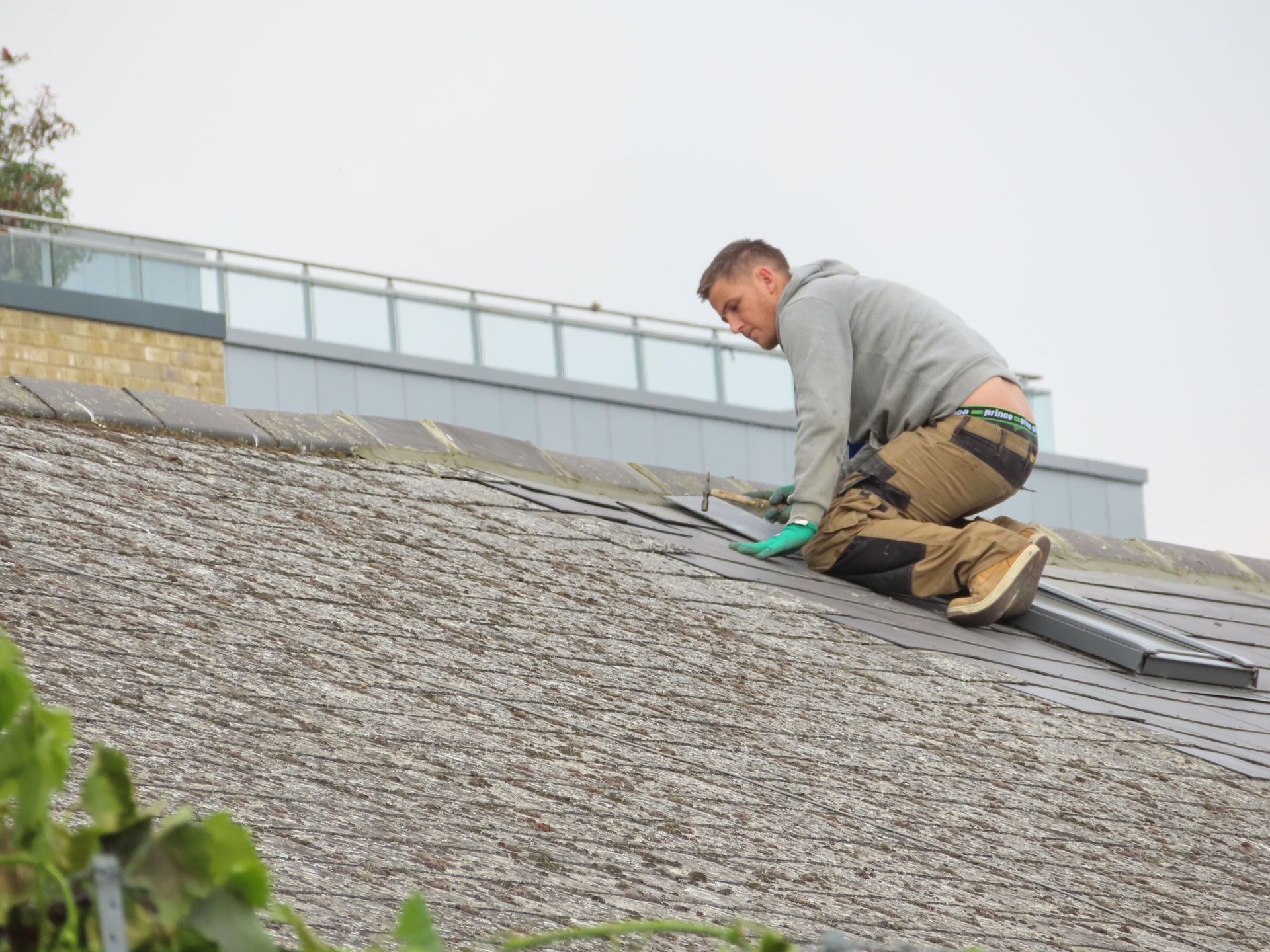
A roof often gives warning signs before total failure. When multiple issues appear at once, roof replacement may be the smarter choice than another round of roof repairs.
Common signs include:
- Roof is near or beyond its expected lifespan (for example, many asphalt shingle roofs are reaching the end of their life around 20 years or more, depending on material and care)
- Shingles are curling, cracking, or missing
- Granule loss is widespread across the roof surface
- Leaks are recurring or you see water stains on ceilings or walls
- Storm damage is extensive or has occurred multiple times
- The roof deck feels soft, spongy, or sagging underfoot
- Roof repairs are becoming frequent and expensive
- Moss and algae are growing heavily and returning quickly after cleaning
These signs do not always mean replacement is immediately required, but they do mean the roof should be evaluated closely by a roofing professional. Ignoring them for too long can lead to hidden water damage in insulation, drywall, and framing.
Repair or Replace?
The decision often comes down to the extent of the damage, the age of the roof, and the type of roofing material. A newer roof with isolated damage is usually a good candidate for repair, especially if storm damage or a small problem is confined to one area.
Roof replacement may be the better investment when:
- Repairs are needed in several areas of the roof
- The roof is already nearing the end of its useful life or expected lifespan
- Ongoing repair costs are adding up year after year
- Severe storm damage affects large sections of the roof deck
- Shingles and other materials show clear signs of age‑related wear and tear
For many homes with asphalt shingle roofs, once the system is around 20 years old and showing multiple signs of aging, it becomes more practical to plan a full replacement instead of continuing patch repairs. A roofing professional can help you weigh the cost of repairs against the long‑term benefits of a new roof.
Why Timing Matters Financially
A delayed roof replacement can cost more than homeowners expect. When aging shingles and flashing finally fail, water can slip into the structure and cause water damage to insulation, drywall, the roof deck, and even framing. These problems can be significantly more expensive to fix than replacing the roof itself.
Replacing the roof at the right time can help you:
- Avoid major interior repair expenses caused by leaks and water intrusion
- Reduce energy bills by improving insulation, ventilation, and modern roofing material performance
- Maintain or improve home value and curb appeal
- Remove chronic leak points and recurring repair issues
Planned replacement also gives homeowners time to:
- Compare roofing materials, such as higher‑performing asphalt shingles or other options
- Budget properly instead of paying for emergency work
- Schedule the project strategically for your family’s calendar
- Avoid last‑minute decisions during a crisis
Best Time of Year to Replace a Roof
Around Atlanta, roofing work can often be done year‑round, but seasonal weather conditions may affect timing, crew availability, and installation comfort. Mild seasons—spring and fall—are often preferred because installation conditions for roofing material and adhesives are more predictable and crews can work efficiently.
That said, if your roof is failing, it is better to have it replaced promptly than to wait for the “perfect” season while damage gets worse. Once you see clear signs of aging, leaks, or storm damage, timing should be based on risk rather than the calendar.
Professional Guidance Makes the Decision Easier
The best way to determine roof replacement timing is with professional inspections from a qualified roofing company. A trusted roofing professional can evaluate:
- Roof age and how long it has been in service
- Visible and hidden damage, including storm damage and water problems
- Roof deck condition and any structural issues
- Repair history and cost trends
- The performance and remaining life of the current roofing material
With that information, roofing contractors can help you decide whether replacement should happen now or can reasonably wait, and whether upgraded asphalt shingles or other materials might make sense for your home.
About Judson Roofing
At Judson Roofing, we come from a long line of roofers who believe in integrity, honesty, and quality workmanship. Our family’s roofing story began in 1937, and that tradition was carried forward through generations, including our father’s return to the trade after serving in the U.S. Army.
Today, we proudly continue that legacy by providing dependable roofing services for homeowners across Georgia. From roof repairs and professional inspections to full roof replacement and storm damage restoration, we focus on doing the job right and building roofs that last through Atlanta’s changing weather conditions. Our goal is always to help you protect your home with a roof that is ready for the years ahead.
Keep Reading
For more context on how roofs age and when to plan replacement, review our content on
roof age,
roof inspection,
storm damage,
insurance, and overall
roof lifespan. These resources will help you understand when it’s truly time to replace your roof and how to get the most out of your current system before you make that investment.