
Roof Lifespan and Insurance:
What Homeowners Need to Know
Roof lifespan and homeowners insurance are closely connected. Insurance companies often look at roof age, roof materials, overall condition, and storm damage history when deciding insurance coverage, claim approvals, and premiums. For homes with roofs that are nearing the end of their lifespan, understanding how roof age affect risk is essential for protecting your home and avoiding surprises.
If you are researching an older roof, preparing to file a claim, or wondering whether your policy will help with roof replacement, it helps to understand how insurers evaluate roofing risk and what you can do to document roof damage correctly.
Why Roof Age Matters to Insurance Companies
Older roofs are seen as higher risk because they are more likely to leak, fail during storms, or require costly repairs. Many carriers place restrictions on homes with roofs that are near or past their typical lifespan, whether the roof uses asphalt shingles, metal roofs, or other roof materials.
Insurance companies may:
- Ask about roof age during underwriting
- Require roof inspections for older roofs
- Limit replacement cost coverage for aging roofs
- Offer actual cash value (ACV) instead of full replacement cost on older roof systems
- Recommend or require you to replace your roof in some situations
Because aging roofs can lead to more frequent insurance claims and higher risk of water damage, some policies may exclude or limit coverage unless the roof is kept in reasonably good condition.
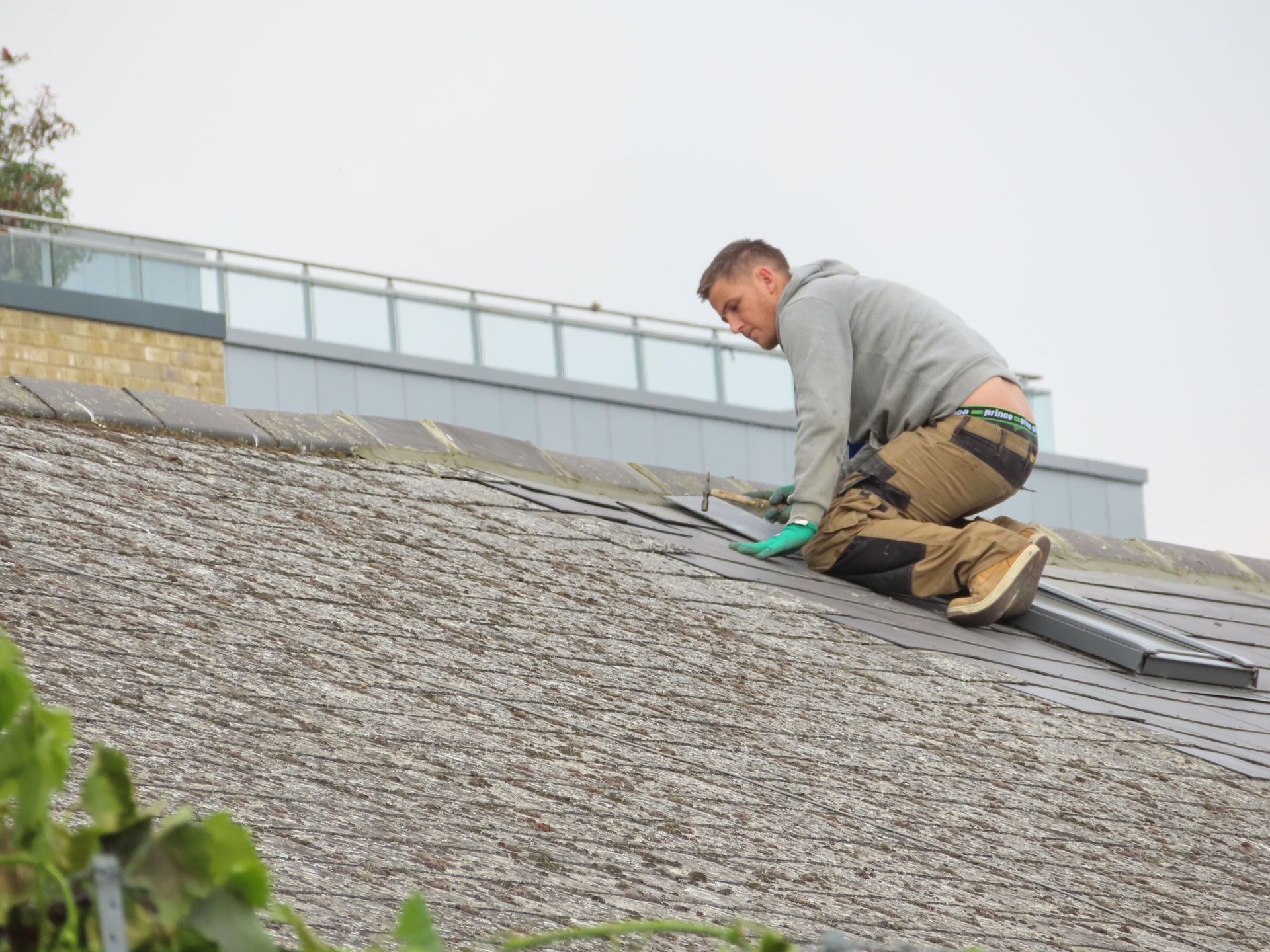
Does Insurance Cover Roof Replacement?
Insurance may cover roof replacement if the roof was damaged by a covered event, such as hail, wind, falling trees, or other sudden, accidental damage. In those situations, filing a claim for storm‑related roof damage is often appropriate.
However, insurance usually does not cover roof replacement simply because a roof is old or worn out. This distinction is important when you’re deciding whether to repair or replace a roof:
- Covered: Sudden storm‑related damage, such as hail impact, high winds, or tree strikes that cause roof damage
- Usually not covered: Normal aging, wear and tear, lack of maintenance, or gradual deterioration
If your roof is very old, insurers may only offer ACV—meaning the cash value (ACV) of the roof at the time of the loss, not the full cost to install a new roof—and may apply limitations or higher premiums because the risk of future problems is greater.
Why Documentation Matters
If your roof is damaged, good documentation can significantly strengthen an insurance claim and help show that the damage was caused by a specific event rather than normal aging. Homeowners who keep inspection records, maintenance history, and photos often have a clearer picture of the roof’s condition before and after a storm.
Helpful documentation includes:
- Roof inspections and professional inspection reports
- Photos of visible roof damage after storms (missing shingles, dents, bruising, etc.)
- Roof repair invoices
- Maintenance records showing ongoing care
- Installation date if known, particularly for older roof systems
Strong documentation helps both you and your insurance company understand whether the roof was in reasonable condition before the event and how much damage the event caused.
How an Inspection Helps With Insurance Questions
A professional inspection from a roofing company can help determine whether damage is related to a specific storm or to normal aging. It can also help you understand if the roof is still in insurable condition or if roof replacement may be needed soon.
During an inspection, a roofing professional may:
- Evaluate roof age, materials, and visible damage
- Check for signs of water damage inside the home
- Identify storm‑related impacts versus general wear on aging roofs
- Provide written findings that can support filing a claim when appropriate
If you are uncertain whether you should repair or replace your roof after a storm, this kind of inspection is often the first and most important step.
Insurance and Older Roofs
If you have an older roof, it’s smart to review your policy details before a problem occurs. Some homeowners are surprised to learn that older roofs may not be covered the way they expected, or that coverage has shifted from replacement cost to ACV.
Understanding roof age, condition, and expected lifespan—especially for older asphalt shingles or metal roofs—can help you plan ahead and avoid unpleasant surprises. It also gives you time to decide whether to proactively replace your roof or continue with repairs, based on both risk and coverage.
In some cases, keeping up with regular roof inspections and maintenance can help demonstrate that you are actively protecting your home, which may help when discussing coverage with your insurer or when filing a claim after a clear storm event.
About Judson Roofing
Judson Roofing is built on more than roofing experience—it is built on family legacy, service, and a commitment to doing honest work the right way. Since 1937, our family has helped homeowners across Georgia with roof inspections, roof repair, and roof replacement, using quality roof materials and workmanship designed to protect your home for the long term.
We understand how roof age affects both performance and insurance coverage, and we work with homeowners to document roof damage, provide clear recommendations, and coordinate repairs or replacement when needed.
Frequently Asked Questions About Roofing & Insurance Claims
Will my insurance company pay to replace my older roof?
In most cases, insurance companies only pay for roof replacement when the roof is damaged by a covered event, such as hail, high winds, or a fallen tree, not simply because the roof is old.
An older roof may still be covered if a storm clearly causes roof damage, but many policies limit coverage on aging roofs, switch to actual cash value (ACV) rather than full replacement cost, or apply stricter conditions. Reviewing your policy and having a professional roof inspection after a storm will help you understand what your specific homeowners insurance is likely to cover.
How does roof age affect my insurance premiums?
Roof age can directly affect your premiums because older roofs are more likely to leak or fail during storms. As a roof approaches or passes its expected roof lifespan, some insurers may charge higher premiums, reduce coverage limits, or require inspections and documentation to keep full coverage in place. Keeping up with regular roof inspections, maintenance, and timely repairs can demonstrate that you’re protecting your home, which may help when discussing rates and coverage with your insurance company.
What should I do before filing a roof insurance claim?
Before filing a claim, it’s wise to gather clear information and documentation about the roof damage. Start by scheduling a professional roof inspection so a roofing professional can confirm whether the damage is storm‑related or due to normal aging. Take photos of visible damage, note any interior water damage, locate past repair invoices or records, and review your homeowners insurance policy to understand deductibles and coverage type (replacement cost vs. ACV). Going into the claims process with strong documentation and a clear inspection report makes it easier for the insurer to evaluate your claim and reach a fair decision.
Learn More About Roof Condition and Replacement
For deeper research on how age, materials, and storm damage affect your roof, continue with our pages on
roof age,
storm damage,
roof inspection, and
replacement timing. These resources will help you decide when to repair or replace your roof and how to navigate insurance questions with greater confidence.