
Why Does My Roof Leak During Heavy Rain?
Few things are more frustrating than discovering water dripping from your ceiling during a heavy rainstorm. While your roof may appear fine during light showers, intense rainfall can expose hidden weaknesses that allow water to enter your home.
If your roof only leaks during heavy rain, it's often a sign that water is finding its way through damaged roofing materials, worn flashing, clogged drainage systems, or other vulnerable areas. Understanding why your roof leaks during heavy rain can help you address the problem before it causes costly water damage.
At Judson Roofing, we've helped countless homeowners identify the source of roof leaks and provide long-lasting repair solutions throughout North Georgia.
Why Does My Roof Leak Only During Heavy Rain?
Heavy rain places significantly more stress on your roofing system than a typical shower. Large volumes of water can overwhelm damaged areas that normally keep moisture out.
Common reasons your roof leaks during heavy rain include:
- Damaged or missing shingles
- Worn flashing around chimneys and vents
- Clogged gutters causing water backup
- Roof valleys that aren't draining properly
- Cracked pipe boots
- Poor attic ventilation leading to condensation
- Aging roofing materials
- Improper roof installation
- Wind-driven rain entering vulnerable areas
Even a tiny opening in your roof can allow significant amounts of water inside during an extended downpour.
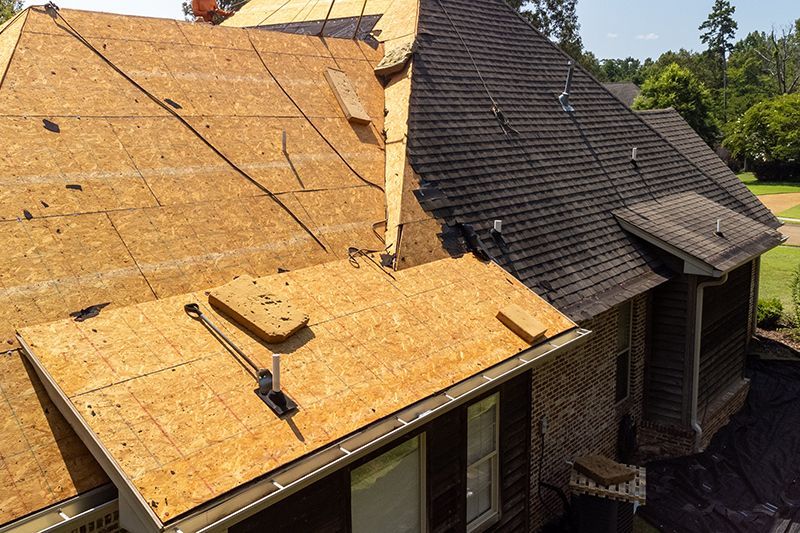
Common Causes of Roof Leaks During Heavy Rain
1. Missing or Damaged Shingles
Shingles are your roof's first line of defense. High winds, hail, aging, and storm damage can loosen, crack, or remove shingles entirely. When heavy rain falls, water can easily penetrate beneath damaged shingles and reach the roof decking.
Signs include:
- Missing shingles
- Curled edges
- Cracked shingles
- Granules collecting in gutters
- Exposed roofing nails
2. Damaged Flashing
Flashing is the metal material installed around roof penetrations and transitions, including:
- Chimneys
- Skylights
- Plumbing vents
- Roof valleys
- Dormers
- Wall intersections
Over time, flashing can rust, separate, crack, or pull away from the roof, creating openings where rainwater enters. Heavy rainfall often exposes flashing failures that aren't noticeable during lighter rain.
3. Clogged Gutters
Your gutters are designed to move rainwater safely away from your roof.
When gutters become clogged with:
- Leaves
- Pine needles
- Branches
- Dirt
- Roofing granules
Water begins backing up underneath the edge of the shingles. Eventually, this water can enter your attic or walls. Keeping gutters clean is one of the simplest ways to prevent roof leaks.
4. Roof Valleys
Roof valleys handle more water than almost any other area of your roof. Because two roof slopes meet in a valley, thousands of gallons of rainwater may pass through this section during a storm. If the valley flashing is damaged or improperly installed, heavy rain can quickly find its way inside your home.
5. Pipe Boot Failure
Every plumbing vent that exits through your roof is surrounded by a rubber boot. Over time, sunlight, heat, and weather cause these rubber seals to crack. During heavy rain, water can seep through these deteriorated seals and leak into the attic. Fortunately, replacing pipe boots is often a straightforward repair when caught early.
6. Wind-Driven Rain
Not all rain falls straight down. Strong winds can push rain underneath shingles or into small openings around vents, chimneys, or siding. This is why some homeowners only experience leaks during storms with heavy rain and high winds
7. Aging Roofing Materials
As roofs age, shingles lose flexibility and protective granules.
- Sealants dry out.
- Flashing deteriorates.
- Fasteners loosen.
While these issues may not allow water inside during light rainfall, they often fail under prolonged or intense storms. If your roof is approaching the end of its expected lifespan, recurring leaks may indicate it's time to consider a replacement..
Why Does My Ceiling Leak but My Roof Looks Fine?
This is a common question. Water rarely drips directly below the point where it enters the roof.
Instead, water may travel:
- Along rafters
- Across roof decking
- Down framing members
- Through insulation
- Behind drywall
By the time you notice a ceiling stain, the actual leak may be several feet away. A professional roof inspection is often needed to locate the true source.
Is a Roof Leak During Heavy Rain an Emergency?
Sometimes. You should contact a roofing professional immediately if you notice:
- Active water dripping into your home
- Sagging ceilings
- Water near electrical fixtures
- Multiple leaks
- Large ceiling stains
- Missing shingles after a storm
- Fallen tree limbs on the roof
Even if the leak appears minor, prompt repairs can prevent mold, structural damage, and costly interior repairs.
Can Heavy Rain Damage a New Roof?
A properly installed new roof should withstand heavy rainfall without leaking. If a relatively new roof develops leaks, possible causes include:
- Installation errors
- Improper flashing
- Manufacturing defects
- Storm damage
- Poor ventilation
- Contractor workmanship issues
An experienced roofing contractor can determine whether the issue is related to installation or weather damage.
How Can I Prevent Roof Leaks During Heavy Rain?
Routine maintenance is the best defense against unexpected leaks.
Homeowners should:
- Schedule annual roof inspections
- Inspect the roof after severe storms
- Clean gutters regularly
- Replace damaged shingles promptly
- Trim overhanging tree branches
- Repair damaged flashing
- Address small leaks before they worsen
Preventative maintenance is almost always less expensive than repairing significant water damage.
Frequently Asked Questions
Should I go into my attic during a roof leak?
If it is safe to do so, inspecting the attic can help identify signs of water intrusion. However, avoid areas near exposed electrical wiring or sagging ceilings, and never enter an attic if you believe structural damage has occurred.
Can a roof leak stop after the rain ends?
Yes, but that doesn't mean the problem is fixed. The damaged area remains and will likely leak again during the next storm.
Does homeowners insurance cover roof leaks?
Many homeowners insurance policies cover sudden storm-related roof damage caused by hail, wind, or fallen trees. Leaks caused by normal wear and tear or lack of maintenance are typically not covered. Check with your insurance provider to understand your policy.
How much damage can a small roof leak cause?
Even a slow leak can damage insulation, drywall, wood framing, flooring, and electrical systems while creating ideal conditions for mold growth. Addressing leaks early usually results in significantly lower repair costs.
Trust Judson Roofing to Find the Source of Your Roof Leak
Roof leaks aren't always easy to diagnose. Water often travels before becoming visible, making the source difficult to locate without a thorough inspection. At Judson Roofing, our experienced team carefully inspects your roofing system to identify the true cause of the leak—not just the symptoms. We'll explain what caused the problem, recommend the best repair option, and help protect your home from future water damage.
Schedule Your Roof Leak Inspection Today
If your roof leaks during heavy rain, don't wait until the next storm causes even more damage. Contact Judson Roofing today to schedule a professional roof inspection. We'll identify the source of the leak, provide honest recommendations, and restore the protection your home deserves.